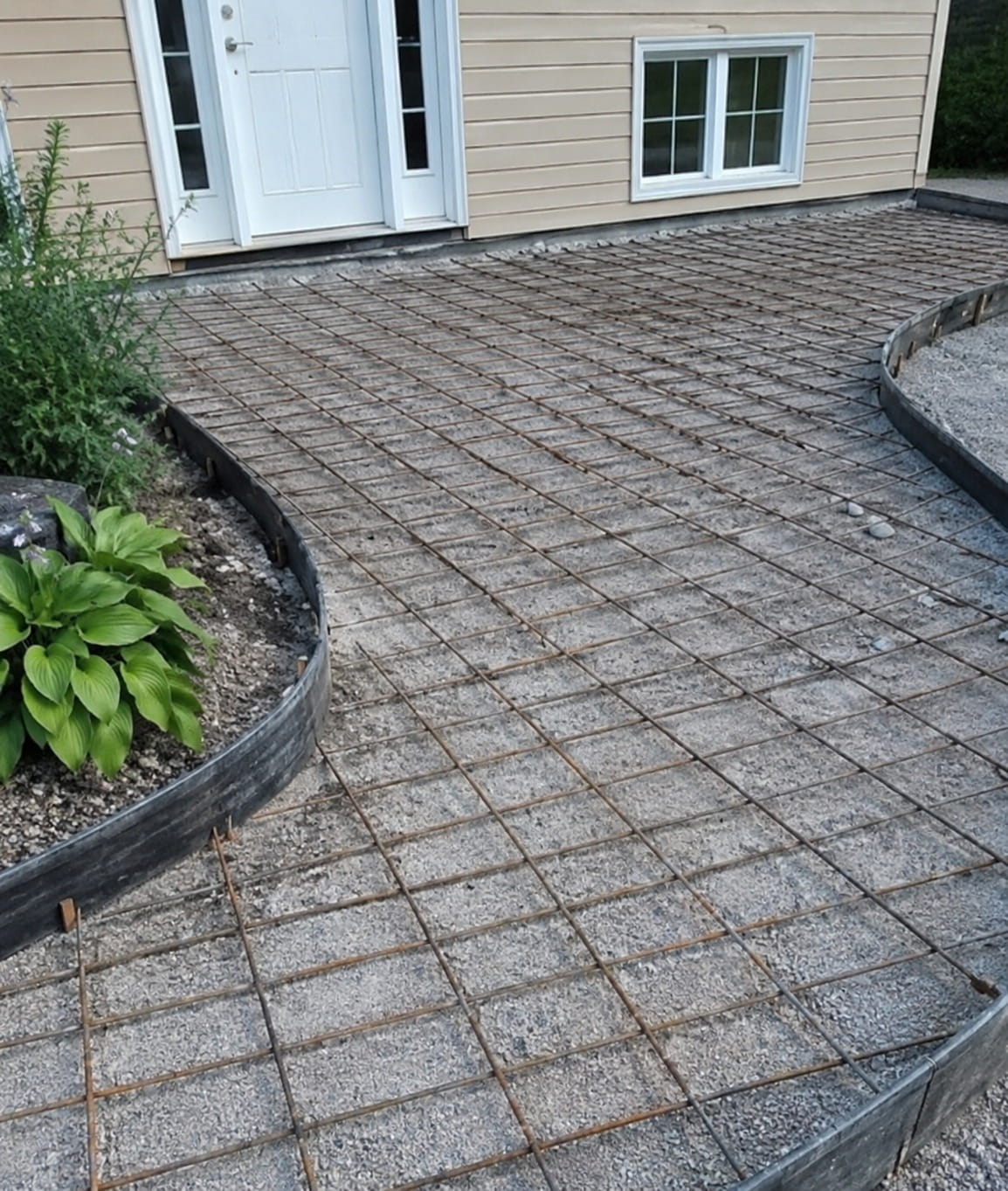
Auckland Fuel Station and Forecourt Concrete
Heavy-duty forecourt slabs for fuel stations and depots, built for fuel resistance, drainage and heavy vehicles.
Fuel Station and Forecourt Concrete in Auckland
Fuel station forecourts take heavy vehicles, constant turning and fuel exposure, so the slab has to be strong, well-drained and detailed for spills. We pour forecourt and depot slabs across Auckland, graded to interceptors and built for the loads and conditions these sites face.
We prepare and compact a strong subgrade, set the falls, place reinforcement and pour a dense, hard-wearing slab. Falls are directed to drainage and interceptors so spills and runoff are contained, and the finish is non-slip for safety. Where engineer or council requirements apply, we build to those specifications.
- Fuel station and depot forecourt slabs
- Dense, fuel-resistant concrete
- Falls graded to drainage and interceptors
- Reinforced slabs for heavy vehicles and turning
- Non-slip finishes for safety
- Subgrade preparation and compaction
Get a Free Quote
Fuel Station Concrete Services in Auckland
Forecourts and Hardstand
We construct concrete forecourts, hardstand and slabs for fuel stations and truck stops across Auckland, providing durable, fuel-resistant surfaces designed for constant vehicle movement, braking forces and heavy tanker trucks.
Fuel-Resistant Surfaces
Concrete performs better than asphalt under diesel and petrol spills, and we design joints, finishes and falls so surfaces stay safe and easier to clean over many years of use.
Drainage to Interceptors
Drainage is a key consideration, so we coordinate falls, channels and connections to interceptors and stormwater systems, working to engineer specifications and council requirements for fuel handling and storage areas.
Built for Tanker Traffic
Slab thickness and reinforcement are matched to tanker, truck and car traffic, with careful attention to tank pads, pump islands, canopy footings and bollards that need strength and setting out.
Staged to Keep Trading
We plan staged pours to keep sites trading as much as possible, managing traffic, access and safety, and coordinating with fuel installers, electricians and other contractors working on the site.
Free On-Site Quote
Contact us for a free quote on your fuel station concrete. We review drawings and site constraints, then provide a clear written price and realistic programme before any work begins.
Fuel Station Concrete Experts in Auckland: How We Work
We own our diggers, trucks and compaction equipment, so the groundwork and the concrete are handled by one team from start to finish.
Site visit and quote
We review your forecourt plans, tanker traffic and drainage with your installers, then provide a quote.
Excavation and subgrade
We excavate and compact the base, setting falls and channels to interceptors and stormwater systems.
Formwork and reinforcement
We set edges, tank pads, pump island footings, bollards and reinforcement to the specification.
The pour
We place fuel-resistant concrete in staged pours so the site keeps trading where possible.
Finishing and curing
We finish a safe, hard-wearing surface, saw-cut joints, then cure the slab for long service.
Handover
We complete a final check, tidy the site and advise when the forecourt can take traffic.
Ideal Fuel Station SlabThickness
- Slab thickness
- Typically 180 to 300 mm for heavy vehicles
- Reinforcement
- Steel mesh or rebar to engineer specification
- Concrete strength
- 30 to 40 MPa, dense mix
- Falls and drainage
- Graded to interceptors and stormwater
- Finish
- Non-slip, fuel-resistant
- Compliance
- Built to engineer and council requirements
All work follows NZS 3109 for concrete construction, NZS 3101 for concrete structures, and any engineer specifications prepared for your site.
Frequently Asked Questions
How thick does a forecourt slab need to be?
Forecourts carry heavy vehicles and turning forces, so they are usually 180 to 300 mm with reinforcement, built to an engineer specification for the loads involved.
How do you contain fuel spills and runoff?
We grade the slab to drainage and interceptors so spills and runoff are directed for collection rather than spreading, to the design for your site.
Can you pour without closing the whole site?
Yes. We can stage the pours so part of the site stays usable while we work, where the layout allows it.
Do you build to council requirements?
Yes. Fuel sites often have engineer and council requirements, and we build to the specification provided.
Do you handle the earthworks too?
Yes. We own our diggers, trucks and compaction equipment, so the subgrade and the concrete are delivered by one team.
Ready to get started?
Get a Free Fuel Station Concrete Estimate
Tell us about your site, approximate size and timeline, and we will come to you, assess the ground and provide a clear quote.