Repair & Maintenance

Concrete Layers Auckland: What to Expect During a Concrete Installation

Concrete driveway installation process in Auckland

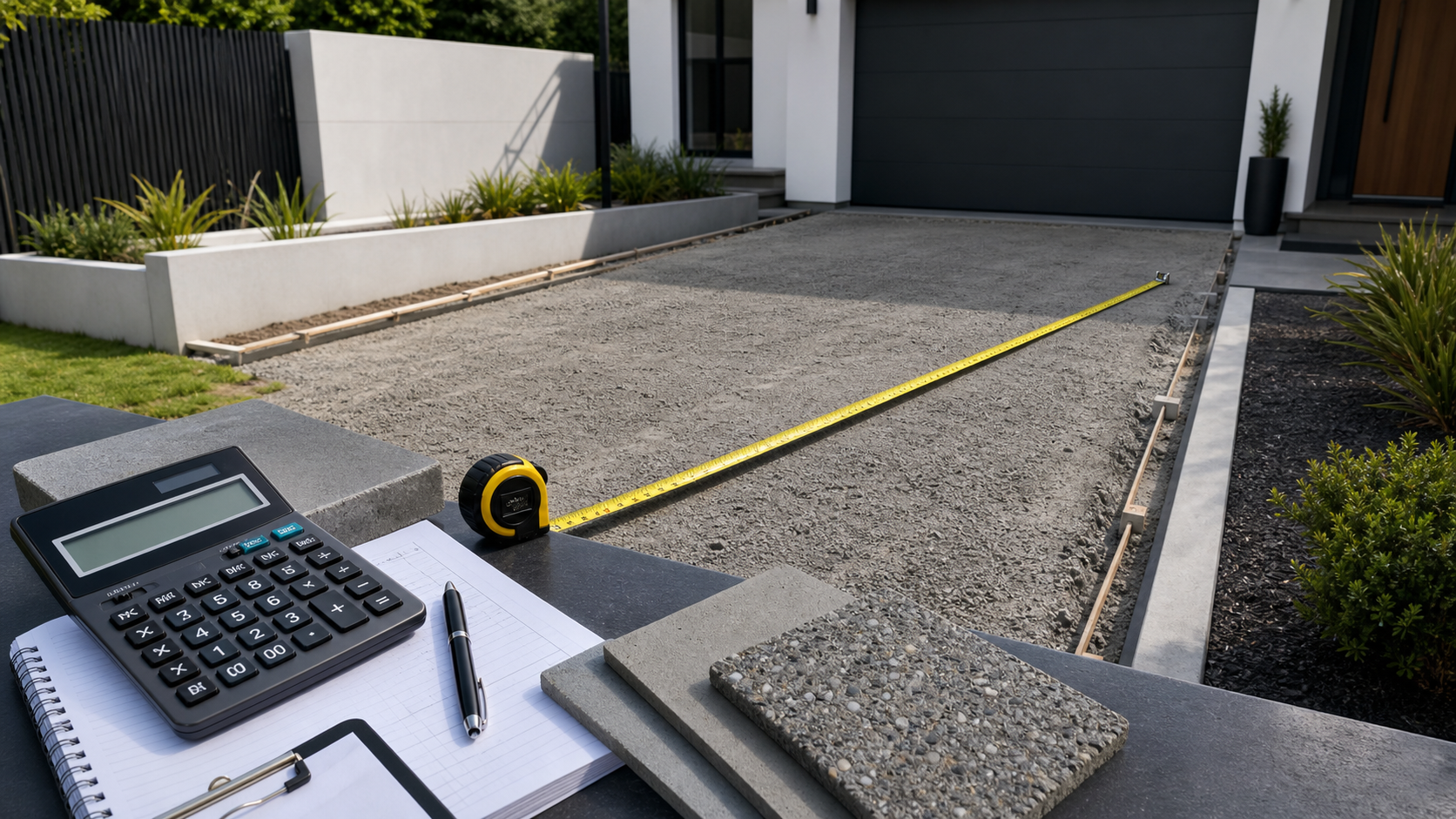
Before Work Begins: Pre-Construction Planning

Before your concrete layers Auckland arrive on-site, a well-organised contractor will have completed several planning steps:

  • Site assessment to confirm ground conditions and check for underground services
  • Design of the driveway layout, falls, drainage, and joint pattern
  • Material ordering — concrete mix specified and booked, aggregate ordered, reinforcing purchased
  • Scheduling of the work crew, concrete delivery truck, and any specialist equipment
  • Confirmation of required permits, particularly Auckland Transport vehicle crossing permits

This planning work is a reliable indicator of a professional operation. A contractor who turns up and starts digging without confirming underground services or ordering materials may encounter delays a more organised team would have avoided.

Day 1: Site Preparation and Excavation

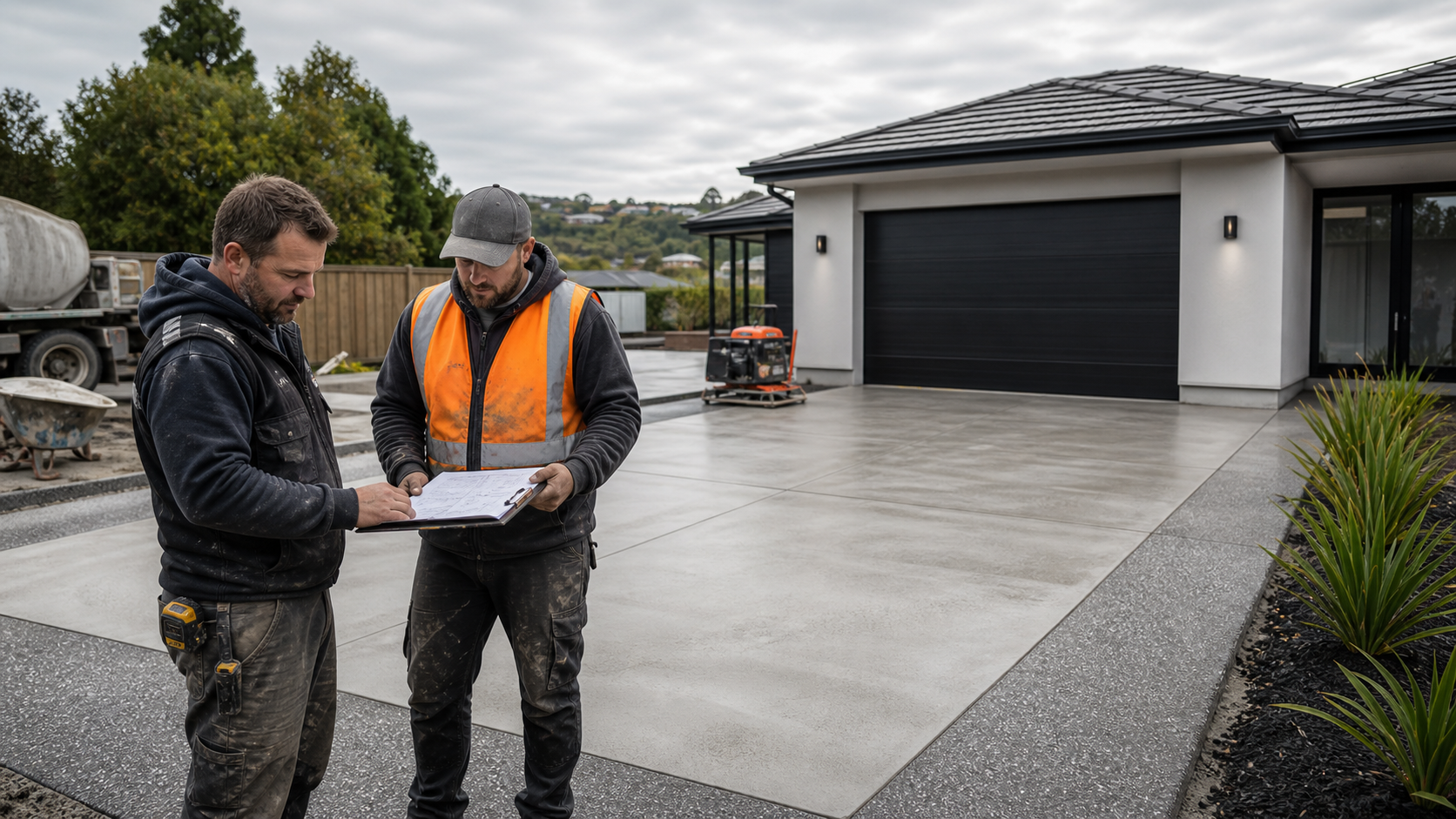
For most residential concrete driveway installations in Auckland, the first day on-site is dedicated to preparation:

  • Marking out the area with pegs, string lines, or spray paint
  • Removing any existing surface — breaking out old concrete, asphalt, or paving and disposing of the waste
  • Excavating to the required depth (typically 200–300mm below finished surface level for a driveway)
  • Removing soft spots, organic material, or tree roots from the base of the excavation
  • Laying any required drainage infrastructure at subbase level

Excavation generates significant waste material that needs to be removed from the site. Confirm with your contractor whether waste disposal is included in their quote.

Day 2: Subbase and Forming

Once excavation is complete, the next stage creates the subbase and sets up the forms:

  • Imported aggregate base (typically AP40 crushed rock) is laid and compacted in 100mm layers
  • Timber or steel formwork is set up around the perimeter to define edges and control thickness
  • Formwork is set to the correct finished level and gradient using a laser level — this determines the surface fall
  • Reinforcing mesh or rebar is placed within the forms on bar chairs to maintain correct cover depth

This is arguably the most important day of the project. The quality of the subbase and accuracy of the forming determines the structural integrity and finish quality of the final slab.

The Concrete Pour Day

Ready-mix concrete is delivered from the plant in a rotating drum truck and either discharged via chute or pumped where truck access is limited. During the pour you'll see the crew working quickly and systematically:

  • Concrete is placed in the forms and spread with rakes or shovels
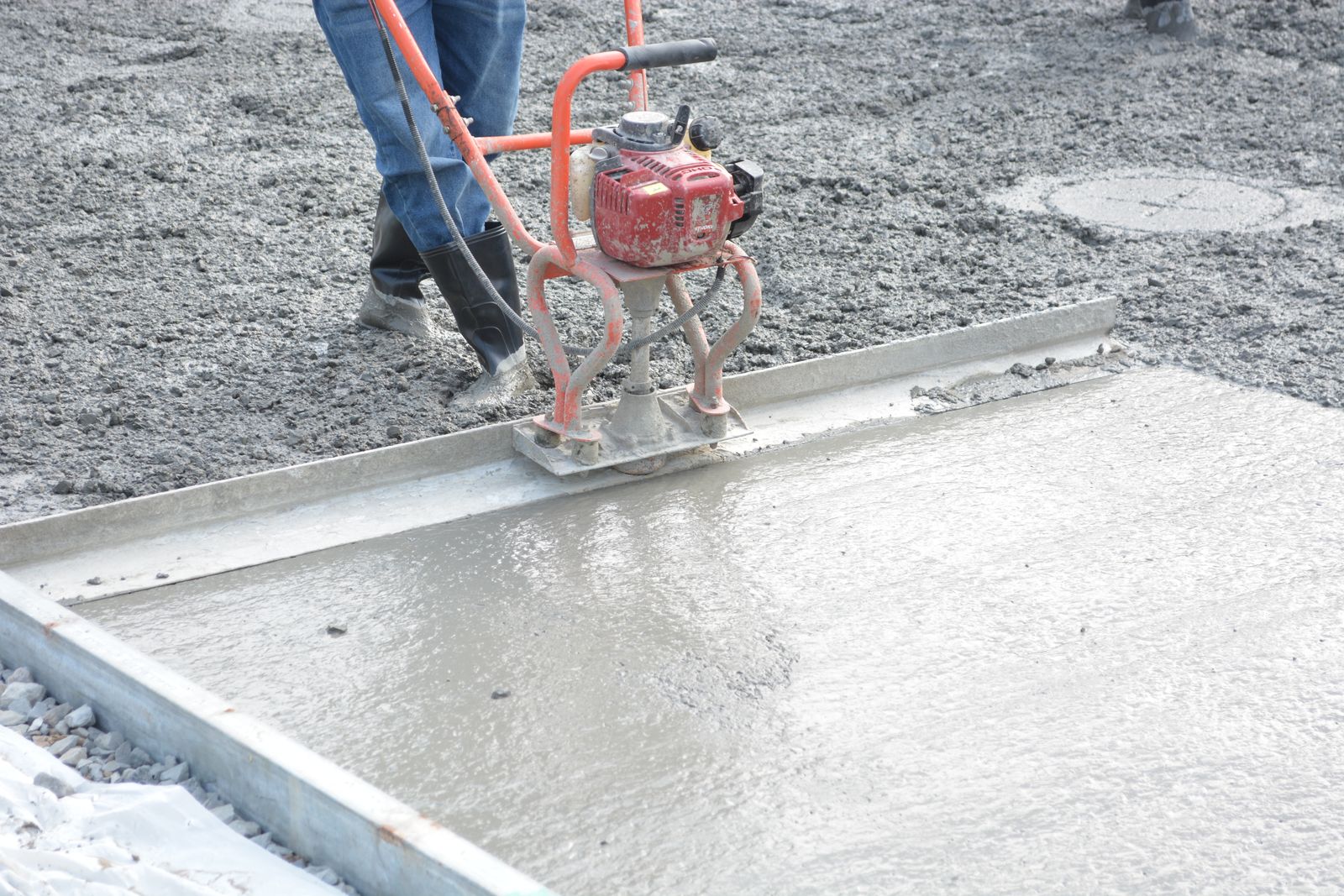
  • A screed board is drawn across the formwork to strike off excess concrete to the correct level
  • The surface is float-finished with a bull float to embed aggregate and level the surface
  • The chosen finish is applied — broom finish, exposed aggregate washing, stamped pattern, and others
  • Expansion joints are tooled in at regular intervals to control future cracking

Ready-mix concrete has a limited working time (typically 90–120 minutes from batching), so the crew must work efficiently from the moment the truck arrives.

Immediately After the Pour: Early Curing

Concrete does not gain strength by drying out — it gains strength through a chemical reaction (hydration) that requires moisture. If concrete dries too quickly in Auckland's summer sun and wind, the hydration reaction is interrupted and the surface will be weaker and more prone to dusting and cracking.

Your contractor should apply one or more curing methods:

  • Curing compound sprayed onto the surface to retain moisture
  • Wet hessian or plastic sheeting in dry, warm conditions
  • Light water misting during the first 24–48 hours in dry weather

The Waiting Period: Days 1–28

Concrete gains strength progressively over 28 days. Key milestones:

  • 12–24 hours: Foot traffic is usually possible with care
  • 3–7 days: Light vehicles such as cars may be driven on the surface (confirm with your contractor)
  • 14 days: Heavier domestic use may be possible
  • 28 days: Full design strength achieved — concrete can handle all expected loading

Your contractor will advise on the specific timeline based on the concrete mix and current weather. Follow their advice carefully — loading concrete too early can cause permanent surface damage not covered by warranty.

Form Removal and Clean-Up

Timber forms are typically removed after 24–48 hours when the concrete has achieved sufficient strength to hold its edges. This allows the contractor to inspect and finish the exposed slab edges. Any minor honeycombing (air voids on the slab edges) can be repaired at this stage with a concrete patching compound.

A good contractor will leave the site clean and tidy after form removal — clearing excess concrete, wash water, and formwork materials from the property.

Sealing (Optional but Recommended)

After the full 28-day curing period, applying a concrete sealer is recommended for most Auckland concrete surfaces. Sealer protects against staining, reduces water absorption, and can enhance the appearance of decorative finishes. For polished concrete and exposed aggregate, sealing brings out depth of colour and texture.

Your contractor can advise on the appropriate sealer for your finish type and apply it as part of the project or as a separate visit after curing is complete.

Questions to Ask Your Concrete Layer

Understanding the process helps you be a better client. Key questions to ask before work starts:

  • What concrete mix strength will you use and why?
  • What depth will you excavate to, and what aggregate will you use in the subbase?
  • How will you handle drainage from this surface?
  • What curing method will you use?
  • When can I drive on the surface?
  • What warranty do you provide on the finished work?

Contact our Auckland team today to discuss your project and get a clear, detailed quote.

Ready to start your Auckland concrete project?

Contact Auckland Concrete Driveways for a free on-site quote. We cover central Auckland, North Shore, West Auckland, and South Auckland.

09 977 9966